

They call it a tapestry. A story stitched into cloth. Thread becoming image, image becoming memory, memory becoming history. And somewhere between the needle and the thread, someone decided what deserved to be remembered.
So I have one question.
Who held the needle?
Who decided which man would become a king, which would become a conqueror, which would become a name and which would become a number? Who chose what belonged in the picture? Who decided where the story should begin and where it should end?
Because history is strange. We say, This is what happened. But perhaps the better question is, Who told us what happened?
The same battle can have a victor and a survivor. The same arrival can be called discovery by the person who arrived and invasion by the person who was already there.
Sometimes, the difference between history and memory is simply who held the pen.
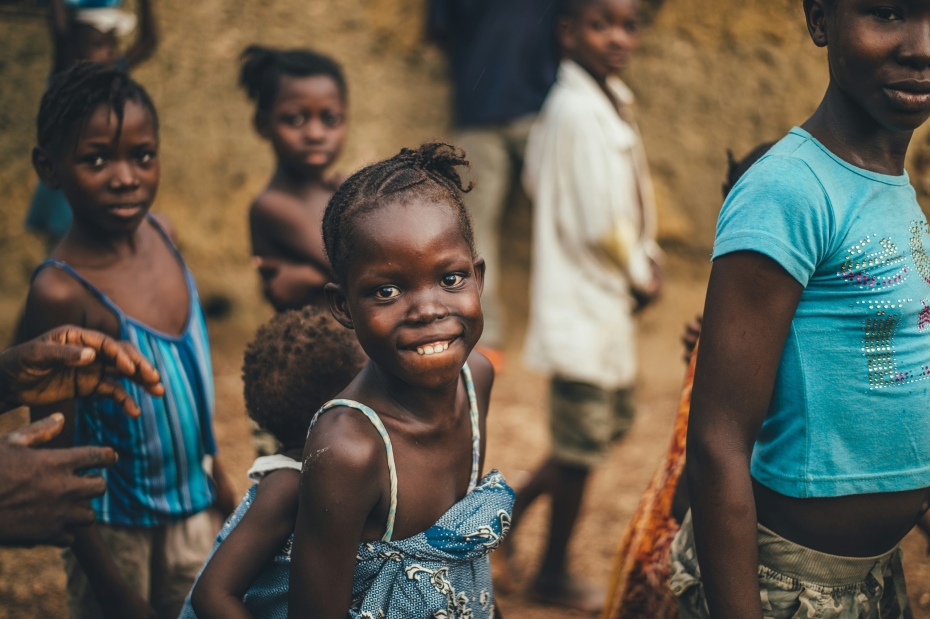
I come from a continent that has been described many times by people who did not always ask the continent how it wanted to be described.
Africa.
A continent.
A colour on a map.
A headline. A statistic.
A place waiting to be saved.
But before someone wrote
“poor” or “primitive”,
there were people living their lives.
There were kingdoms, languages, markets, scholars, artists, farmers, mothers, fathers and children. People thinking, creating, trading, loving and building ordinary lives that history somehow forgot to make extraordinary.
Perhaps that is the problem.
We have spent so much time reading the tapestry that we forgot to ask about the person holding the needle.
Who was missing from the picture?
Who was standing outside the frame?
And then I crossed borders.
I discovered that history does not always stay in museums.
Sometimes history follows you.
It sits beside you on a train.
It stands behind you in a queue.
It walks into a room before you do.
Sometimes people hear your accent before they hear your words.
They hear where they think you come from before they ask where you have actually been.
And before you finish your sentence, someone has already started writing your biography.
African. Black. Immigrant. Foreigner.
Words are only threads. And threads can be woven into almost any picture.
So the question remains:
Who is holding the needle?
Because perhaps this is not only about history.
Perhaps it is about the way we write people.
We meet someone and reach for somebody else’s ink.
We see a country and think we know its people.
We see a religion and think we know its followers.
We hear an accent and think we know someone’s intelligence
We see a passport and think we know someone’s biography.
But a passport is not a biography.
An accent is not a character.
A skin colour is not a confession.
A continent is not a stereotype.
And a person is not the story you heard about people like them.
So when you meet me, don’t open a page somebody else has already written on.
Don’t bring me another person’s history and ask me to answer for it.
Don’t hand me another person’s mistakes and call them my identity.
Because I have a history of my own.
I carry countries inside my memories. I carry languages inside my silence. I carry ancestors inside my name. I carry places I have left and places I am still becoming.
My page is not blank because nothing happened.
My page is blank because you have not written on it yet.
And maybe that is what history should teach us.
Not simply who won.
Not simply who lost.
Not simply who held the sword.
But who held the needle.
Who chose the thread.
Who stitched the picture.
Who was left outside the frame.
And who, after generations of being described by others, finally picked up the needle for themselves.
So yes, weave your words. Harness your history. Tell your stories. Preserve your memories.
But before you tell me who I am, before you tell me where I belong, remember this:
I am not the worst person who looks like me.
And you are not the best person who looks like you.
We are both individuals.
Judge us by what we do, by what we choose, by how we treat people and by the lives we actually live.
Not by the stories we inherited.
Not by the people we have never met.
Not by a page somebody else has written.
Because if you want to be judged by your own story, you should be willing to let me write mine.
Give me a blank page.
And let me write myself.
By Fatai Kehinde